How to Protect Your Off-Road Vehicle's Plastics and Metals From Rough Terrain
Whether you're riding tight wooded trails, blasting through deep mud, or navigating rocky terrain, your dirt bike, ATV, or UTV is constantly exposed to conditions that can take a toll on its appearance and performance. While scratches, dirt, and wear are often part of the off-road experience, taking a few preventative measures can help keep your machine looking newer, performing better, and maintaining its value for years to come.
From faded plastics and oxidized metal to corrosion and surface damage, rough terrain can affect nearly every exposed component of your vehicle. Fortunately, with the right maintenance routine and protective products, you can significantly reduce long-term wear and keep your machine ready for the next adventure.
Why Protection Matters
Many riders focus on cleaning their vehicle after a ride but overlook the importance of protecting it afterward.
Mud, sand, water, rocks, and UV rays create a constant assault on your vehicle's surfaces. Over time, these elements can cause:
-
Faded plastics
-
Dull finishes
-
Oxidized metal
-
Surface corrosion
-
Premature aging
-
Difficult-to-remove stains
While some wear is unavoidable, proper protection can dramatically slow the aging process and help preserve your machine's appearance.
Think of protection as preventative maintenance rather than cosmetic maintenance.
Understand What Damages Plastics
Modern dirt bikes, ATVs, and UTVs rely heavily on plastic body panels. These plastics are lightweight and durable, but they're constantly exposed to environmental stress.
Some of the biggest threats include:
UV Exposure
The sun is one of the leading causes of faded plastics. Constant exposure to ultraviolet rays gradually breaks down the surface, causing colors to lose their vibrancy.
Black plastics often turn gray, while colored plastics lose their richness over time.
Mud and Dirt
Mud isn't just messy. Fine dirt particles can act like sandpaper when rubbed across surfaces during cleaning or riding.
Repeated exposure can dull plastics and leave behind minor scratches.
Chemicals
Harsh cleaning products can strip protective oils and coatings from plastics, accelerating fading and discoloration.
Using products specifically designed for off-road vehicles helps minimize this risk.
Protecting Plastics the Right Way

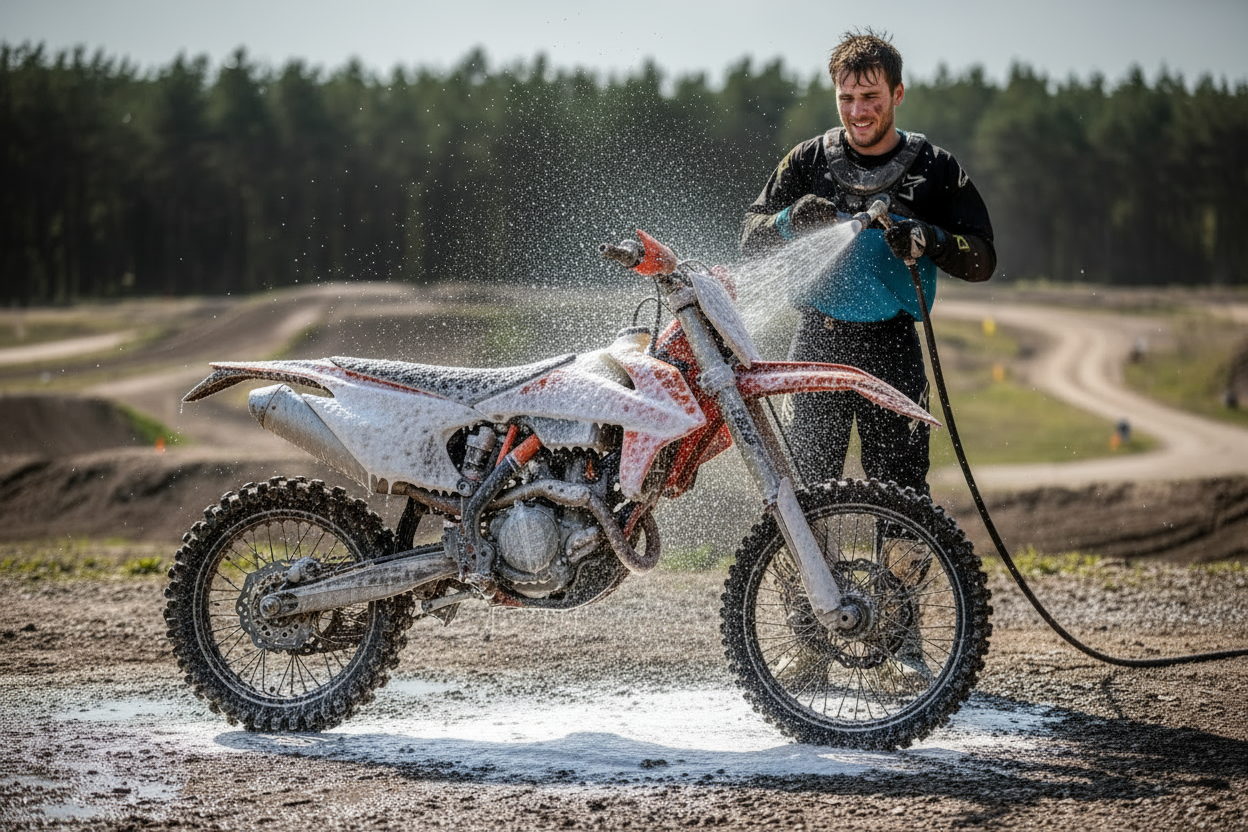
Clean After Every Ride
One of the easiest ways to protect plastics is by removing contaminants before they have time to cause damage.
After each ride:
-
Rinse off mud and debris
-
Use a quality off-road wash soap
-
Avoid abrasive brushes
-
Dry the vehicle thoroughly
Regular cleaning prevents dirt and contaminants from embedding themselves into the surface.
Apply a Plastic Protectant
Once the vehicle is clean and dry, apply a dedicated plastic and trim protectant.
These products help:
-
Restore appearance
-
Add UV protection
-
Repel dirt and water
-
Reduce future staining
-
Slow fading
Many riders are surprised by how much longer plastics maintain their appearance when routinely protected.
Store Your Vehicle Properly
Whenever possible, store your vehicle indoors or under cover.
Limiting exposure to direct sunlight is one of the most effective ways to preserve plastics.
If indoor storage isn't available, consider using a breathable vehicle cover to help shield surfaces from UV exposure and environmental contaminants.
Understanding Metal Corrosion
While plastics often show cosmetic wear first, metal components face their own set of challenges.
Corrosion occurs when moisture, oxygen, and contaminants interact with metal surfaces over time.
Off-road vehicles are especially vulnerable because they frequently encounter:
-
Water crossings
-
Mud
-
Humidity
-
Sand
-
Salt exposure in coastal regions
For riders in humid climates, corrosion prevention becomes even more important.
Areas Most Vulnerable to Corrosion
Certain parts of your vehicle tend to be more susceptible than others.
Pay close attention to:
-
Frame sections
-
Fasteners and bolts
-
Engine cases
-
Swingarms
-
Foot pegs
-
Brake hardware
-
Suspension components
These areas often collect moisture and debris, creating ideal conditions for corrosion to develop.
Protecting Metal Components

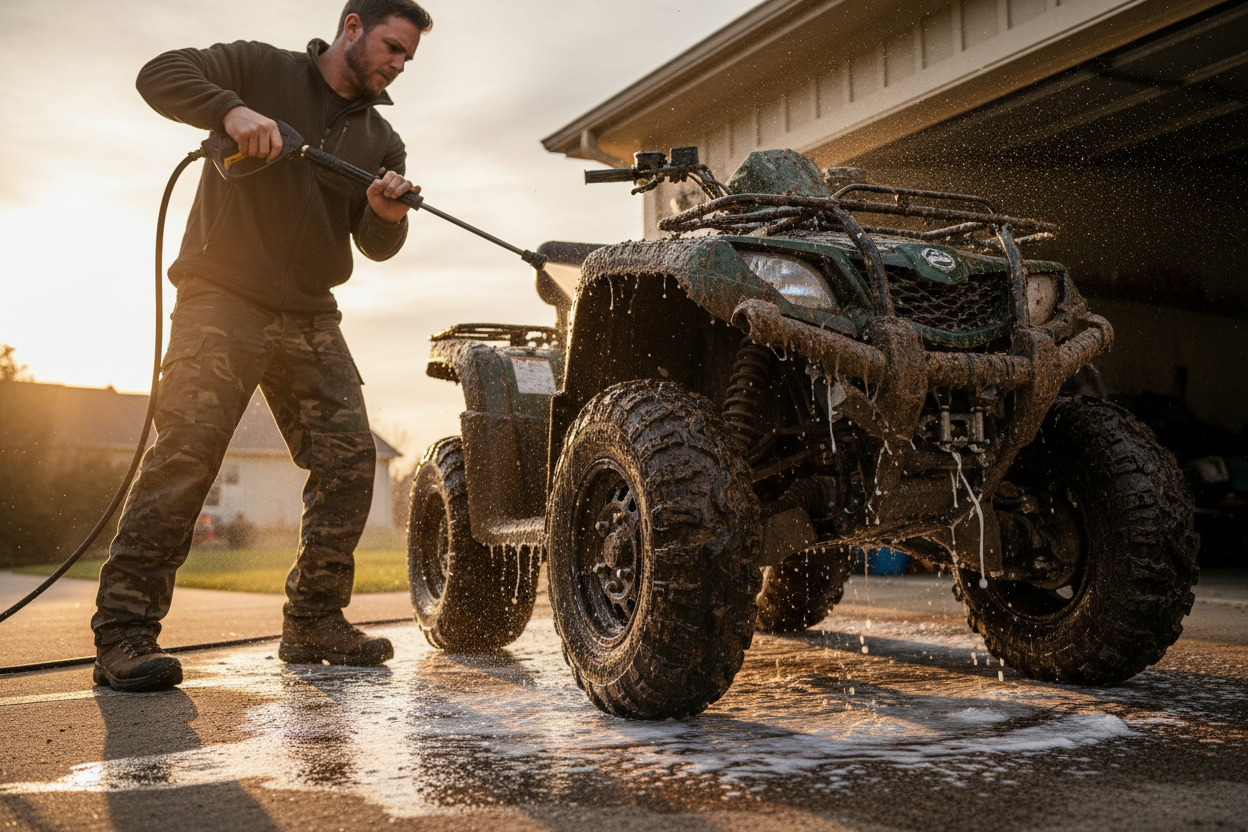
Wash Away Contaminants Quickly
Mud and moisture should never be allowed to remain on metal surfaces for extended periods.
After riding, thoroughly clean:
-
Frame rails
-
Swingarms
-
Engine areas
-
Suspension components
Removing contaminants early helps prevent moisture from becoming trapped against metal surfaces.
Dry Thoroughly
One of the biggest mistakes riders make is washing their vehicle and immediately putting it away.
Water trapped in hidden areas can contribute to corrosion over time.
Use microfiber towels and compressed air to remove moisture from:
-
Bolt heads
-
Frame cavities
-
Radiator fins
-
Suspension components
The more thoroughly you dry the vehicle, the better protected it will be.
Apply Protective Coatings
Protective sprays and surface protectants can create a barrier that helps repel water and contaminants.
Benefits include:
-
Reduced corrosion risk
-
Easier cleaning
-
Improved appearance
-
Additional protection against environmental exposure
Routine application can significantly improve the longevity of exposed metal components.
Watch Out for Scratches and Chips
Rocks, branches, and debris are inevitable parts of off-road riding.
Unfortunately, scratches and chips expose fresh surfaces to the elements.
While cosmetic scratches are often unavoidable, you can minimize damage by:
-
Maintaining protective coatings
-
Cleaning promptly after rides
-
Inspecting vulnerable areas regularly
-
Addressing damaged surfaces before corrosion develops
Small problems are much easier to manage before they become larger issues.
Create a Simple Protection Routine
Protecting your vehicle doesn't require hours of work after every ride.
A simple routine can make a tremendous difference.
After Every Ride
-
Rinse off mud and dirt
-
Wash with a quality off-road cleaner
-
Dry thoroughly
-
Inspect for damage
Monthly
-
Apply a plastic protectant
-
Protect exposed metal surfaces
-
Inspect fasteners and hardware
-
Check for signs of corrosion
Seasonally
-
Deep clean the entire vehicle
-
Inspect hard-to-reach areas
-
Reapply long-term protection products
-
Address any worn or damaged surfaces
Consistency is often more important than complexity.
Protection Helps Maintain Value
Most riders think about protection in terms of appearance, but it also affects resale value.
A well-maintained dirt bike or ATV often stands out immediately to potential buyers.
Clean plastics, corrosion-free hardware, and properly maintained surfaces communicate that the machine has been cared for.
Even if you plan on keeping your vehicle for years, protecting it today can pay dividends down the road.

Final Thoughts
Off-road riding is hard on equipment, but that doesn't mean your machine has to look worn out after every season. By taking a proactive approach to protecting plastics and metal components, you can keep your dirt bike, ATV, or UTV looking great while reducing long-term wear.
Regular cleaning, proper drying, routine use of protective products, and smart storage habits all work together to preserve your vehicle's appearance and performance.
A few extra minutes of protection after each ride can help prevent fading, corrosion, and premature aging, allowing you to spend less time worrying about maintenance and more time enjoying the trail ahead.